How Desert Dust, Irrigation, and Outdoor Living Affect Pavers in Desert Mountain
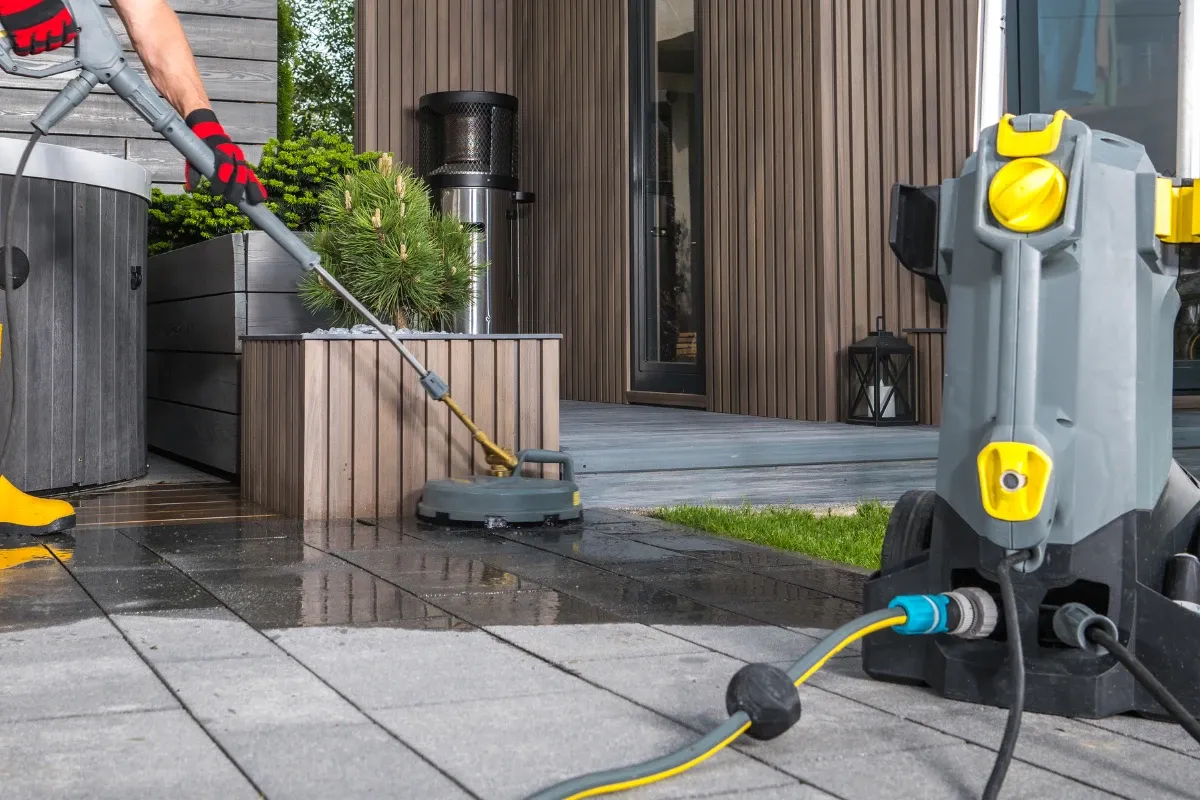
Pavers in Desert Mountain spend their lives outdoors in conditions that can make a beautiful patio, walkway, courtyard, or driveway look dirty faster than expected. Fine desert dust settles into textured surfaces and joints. Irrigation can repeatedly wet the same areas and leave mineral deposits behind. Outdoor kitchens, furniture, planters, foot traffic, and everyday entertaining introduce their own stains and residue.
That does not mean every discolored paver needs aggressive cleaning. The right approach starts with understanding what is actually on the surface. Professional pressure washing can help remove accumulated dirt and grime, but paver material, joint condition, staining, drainage, and surrounding landscaping all influence how the surface should be handled.
For Desert Mountain homeowners, the goal is not simply to blast away everything visible. It is to clean the hardscape while respecting the surface and the way the paver system was installed.
Why Desert Dust Makes Pavers Look Dull
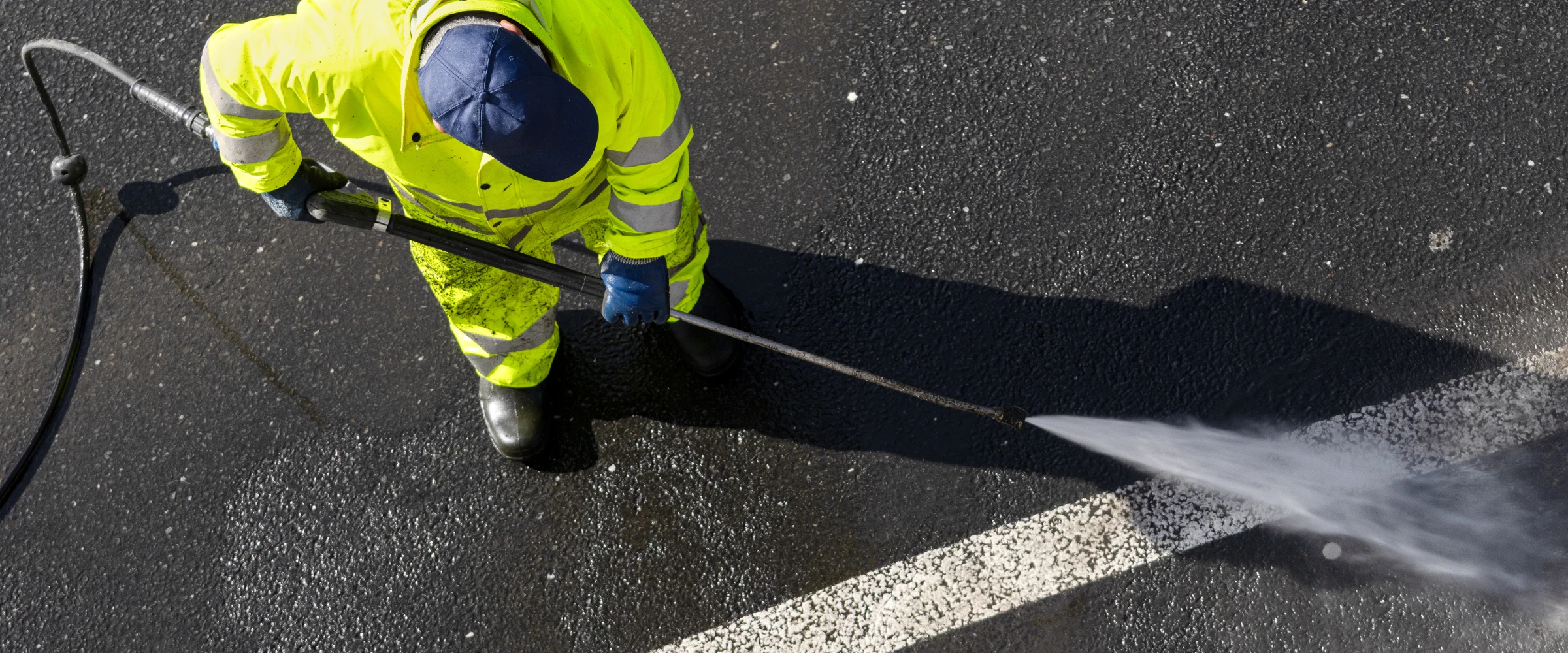
Dust is one of the most persistent maintenance issues for outdoor hardscapes in the Sonoran Desert.
A thin layer may not look dramatic at first. Over time, however, fine particles settle into the texture of concrete pavers, natural stone, joints, low areas, and edges. The original color can appear muted, especially on darker or richly colored paving materials.
Dust also becomes harder to remove after it gets wet. Irrigation overspray, rain, pool water, or routine outdoor use can turn loose particles into a film that adheres more stubbornly to the surface.
You may notice this buildup most clearly in:
recessed or textured paver surfaces
shaded patios and courtyards
areas close to desert landscaping
walkways used frequently by people and pets
driveway edges where windblown material collects
spaces beneath outdoor furniture and planters
Regular sweeping or blowing can reduce loose material before it becomes embedded, but eventually a deeper cleaning may be useful when ordinary maintenance stops improving the appearance.
Irrigation Can Create More Than a Wet Spot
A sprinkler or irrigation emitter that repeatedly reaches a paved area can create a recognizable pattern over time.
Scottsdale Water explains that local water contains naturally occurring calcium and magnesium and classifies water north of Chaparral Road as hard, with approximate hardness levels of 16 to 18 grains per gallon. Those minerals can become particularly noticeable where water repeatedly lands on an outdoor surface and evaporates.
On pavers, you might see:
whitish mineral residue
rings or outlines around frequently wet areas
darker areas where dampness traps dust
streaking near planters or irrigation borders
recurring discoloration even after loose dirt is removed
The first step is not always more cleaning. If irrigation continually sprays the same patio or walkway, the condition can return after the surface is cleaned.
Scottsdale Water offers outdoor water-efficiency information that includes checking irrigation programming and identifying inefficient outdoor water use. Adjusting a misdirected sprinkler or addressing an irrigation leak can help reduce repeated deposits at the source.
Mineral Deposits and Efflorescence Are Not Necessarily the Same Thing
White residue on paving stones can have several possible causes, so appearance alone does not always identify the problem.
Irrigation water can leave mineral deposits as water evaporates. Concrete pavers can also develop efflorescence, a naturally occurring whitish deposit associated with salts moving through cement-based materials.
Belgard describes efflorescence as a white, powder-like deposit that can occur on concrete products and notes that it does not affect the structural performance of concrete pavers. Unilock similarly identifies efflorescence as a powdery white deposit that can appear after installation.
That distinction matters because not every white mark should receive the same treatment.
Before attempting specialty stain removal, consider the age and material of the pavers, where the residue appears, whether irrigation regularly reaches the location, and whether the discoloration developed soon after installation.
Outdoor Living Creates Its Own Paver Buildup
Desert Mountain homes often use patios and courtyards as true extensions of the living space. More use naturally means more opportunities for staining.
An outdoor dining area may collect food spills and cooking residue. Furniture can trap dirt underneath legs and bases. Planters may leave moisture rings or organic staining. Pool-adjacent areas can experience regular foot traffic and repeated wetting.
Common sources of patio buildup include:
food and beverage spills
barbecue or outdoor kitchen residue
dirt tracked by shoes and pets
leaves and plant material
bird droppings
water from planters
poolside foot traffic
soil or mulch displaced from landscaping
Some of this material responds well to ordinary surface cleaning. Oil, grease, rust, paint, and deeply absorbed stains can be more complicated, particularly on porous paving materials. Cleaning can improve many stains, but complete removal cannot be guaranteed because results depend on the contaminant, its age, the paver material, and how deeply it has penetrated.
Why Paver Pressure Washing Requires More Care Than Driveway Cleaning
Pavers are not simply smaller pieces of ordinary poured concrete.
An interlocking paver installation has individual units and joints that work together as a system. Depending on the installation, those joints may contain sand or another joint material that should not be carelessly displaced.
Paver manufacturers specifically caution against uncontrolled power washing. Belgard notes that the force of a power washer can expose aggregate on a paver surface and weaken jointing sand if used improperly. Unilock likewise advises attention to joint material during cleaning and recommends inspecting joints afterward.
This is why more pressure does not automatically produce a better result.
At Bin Bandits, we provide paver cleaning as part of our Arizona pressure washing services. We adjust our approach for the surface rather than assuming every driveway, patio, wall, deck, or paved area should be cleaned identically.
The condition of your specific installation still matters. Aging pavers, loose joint material, damaged surfaces, existing coatings, delicate finishes, and areas that already need repair deserve particular attention before cleaning begins.
Cleaning Cannot Correct Paver Installation or Repair Problems
A cleaner surface can make existing problems easier to see, but cleaning does not repair the hardscape.
Pressure washing will not correct:
sunken or uneven pavers
cracked paving units
drainage problems
loose or shifting sections
failed edging
missing structural base material
damaged coatings or sealers
If an area is settling or shifting, the underlying problem may need hardscape repair rather than additional cleaning.
The same principle applies to drainage. Dirt can accumulate where water naturally collects, but cleaning the stain does not change the grade or redirect water. If irrigation or drainage repeatedly creates the same wet zone, correcting the water source may be part of keeping the pavers cleaner afterward.
Pay Attention to Joints After Paver Cleaning
The spaces between pavers deserve almost as much attention as the paving stones themselves.
Manufacturer care guidance emphasizes maintaining joint material because joints are an important part of an interlocking paving system. Belgard describes the joints between paving stones as particularly vulnerable and advises keeping them appropriately filled.
After a significant cleaning, look for areas where joint material appears noticeably lower, uneven, or displaced. Whether additional joint material is needed depends on the specific paving system and how it was installed.
This is another reason aggressive DIY pressure washing can create unnecessary problems. Concentrating powerful spray directly into joints may remove material that was intended to stay there.
Sealed Pavers Need Their Own Consideration
Some Desert Mountain pavers may have an existing sealer or surface treatment. Others may never have been sealed.
A coating can change how a surface responds to stains and cleaning, which means it is useful to know what is already on the pavers before using specialty cleaners or planning additional sealing.
Cleaning also cannot repair a coating that is already failing, discolored, peeling, or otherwise deteriorated.
If you are considering a consumer cleaning or sealing product, verify that it is compatible with your exact paving material and any existing treatment. Follow the manufacturer's directions and test products in an inconspicuous area when the manufacturer recommends doing so.
How Often Should Desert Mountain Pavers Be Cleaned?
There is no maintenance schedule that fits every home.
Our general guidance for many Arizona exterior surfaces is about once per year, but pavers may need attention sooner or later depending on how the space is used and exposed.
Consider cleaning when you notice meaningful buildup rather than relying only on the calendar. Frequency can be affected by:
wind and dust exposure
proximity to desert landscaping
irrigation overspray
shade and recurring moisture
outdoor cooking
foot and pet traffic
pool activity
trees and plant debris
existing stains
the homeowner's appearance standards
A lightly used walkway protected from irrigation may stay presentable much longer than a frequently used outdoor kitchen patio exposed to dust, food, water, and furniture.
Simple maintenance between deeper cleanings can help. Removing loose debris and addressing spills before they penetrate a porous surface can reduce the amount of accumulated buildup.
When Professional Paver Cleaning Makes Sense
Routine sweeping is straightforward. Once dirt has settled deeply into texture or a large paved area has developed noticeable staining, professional cleaning can become more practical.
A professional service is especially worth considering when you have a large patio or driveway, several connected hardscape areas, stubborn accumulated grime, sensitive landscaping around the cleaning area, or questions about how an existing surface should be treated.
Our pressure washing services include paver cleaning along with patios, sidewalks, driveways, and other exterior areas. Bin Bandits serves Desert Mountain and surrounding Arizona communities, and our process takes the surface involved into account instead of applying one cleaning approach everywhere.
Project cost depends on the area and the specific cleaning needs. Our pressure washing pricing is determined by square footage, with factors such as surface material and the condition of the area affecting the work involved.
Helpful Resources for Paver Care in Desert Mountain
These third-party resources can help you better understand paver maintenance, irrigation, and the environmental considerations surrounding outdoor cleaning. They are provided as educational references and do not imply that Bin Bandits uses, sells, or is affiliated with any particular manufacturer.
Belgard Hardscape Maintenance and Care Guide
Belgard provides guidance on cleaning concrete pavers, caring for joints, handling spills, efflorescence, and using cleaning products. Its guidance also explains why caution is needed when power washing paving stones.
Unilock Paver Cleaning Guide
Unilock covers common paver contaminants, joint protection, surface inspection, cleaning products, plant protection, and other considerations that can help homeowners understand why paver cleaning requires a material-specific approach.
Scottsdale Water Conservation for Homeowners
Scottsdale Water provides information about irrigation efficiency, leaks, outdoor water use, and water-saving practices. These resources are particularly useful if sprinkler overspray or recurring irrigation moisture is reaching a paved area.
Scottsdale Drinking Water Information
The city's water-quality information explains local water hardness and the naturally occurring calcium and magnesium responsible for it. This is useful background when investigating recurring mineral residue around irrigation and other regularly wet outdoor surfaces.
EPA Stormwater Runoff Information
The U.S. Environmental Protection Agency explains how runoff moving across paved and other impervious surfaces can pick up dirt, sediment, chemicals, and additional pollutants. It is a useful reminder to think about drainage and runoff when performing outdoor surface maintenance.
Frequently Asked Questions About Pressure Washing and Paver Cleaning
What is the difference between pressure washing and power washing?
Pressure washing and power washing both use a strong stream of water to remove dirt, dust, grime, stains, and other buildup from exterior surfaces. The main difference is that some power washing services may use hot water, which can help with certain grease, oil, and stubborn dirt problems.
A professional pressure washing service chooses the right pressure, equipment, hose setup, and cleaning method for the surface being cleaned. Concrete surfaces, pavers, siding, walkways, buildings, and roofs should not all be cleaned the same way. In some cases, soft washing or other lower-pressure methods are a better choice to help protect the property.
What surfaces can professional pressure washing services clean?
Professional pressure washing services can clean many residential and commercial exterior surfaces. Common jobs include driveway cleaning, concrete surfaces, patios, pavers, walkways, exterior walls, siding, gutters, and other areas that collect dirt and debris.
Residential pressure washing can help freshen up a house and remove buildup caused by Arizona dust, grime, bird droppings, algae, and everyday outdoor use. Commercial pressure washing can also help keep a commercial property, storefront, walkway, or other business area looking clean for clients and visitors.
Some surfaces require special care. A high-pressure water spray may work well on durable concrete, while more delicate exterior surfaces may need soft washing. A professional pressure washer will look at the material and condition before deciding how to complete the job safely.
Can pressure washing remove oil stains, tire marks, and grease from my driveway?
Driveway cleaning can remove or improve many common stains, including dirt, grime, tire marks, grease, and some oil stains. A surface cleaner and professional pressure washing equipment can help clean concrete efficiently and give the driveway a more even appearance.
The final result depends on the type and age of the stains. Fresh oil or grease is often easier to treat than oil that has soaked deep into porous concrete surfaces. Rust, old paint, and other deeply set stains may also need special removal methods and may not disappear completely.
Our goal is to remove dirt and buildup as effectively as possible without using more pressure than the surface can safely handle.
Is pressure washing safe for pavers, siding, roofs, and other exterior surfaces?
Yes, when the right method is used. More pressure is not always better. Pavers have joints that can lose sand if a pressure washer is used too aggressively, and siding, roofs, paint, and other surfaces may also be damaged by excessive pressure.
Professional pressure washing means adjusting the washing method to the property. Depending on the surface, this may include lower pressure, soft washing, a surface cleaner, or eco-friendly cleaning solutions designed for the specific job.
The purpose is to get rid of dirt, algae, mold, grime, dust, and other buildup while helping protect the surface. Experienced washing services also pay attention to windows, landscaping, paint, paver joints, and nearby areas during the cleaning process.
How often should I schedule residential pressure washing?
Many Arizona homes benefit from residential pressure washing about once a year, but there is no single schedule that works for every property. Homes exposed to heavy dust, irrigation water, trees, bird droppings, pool use, or frequent outdoor activity may need washing more often.
You may want to schedule professional pressure washing when your driveway, walkways, siding, pavers, or other exterior surfaces start looking dirty or when normal sweeping and rinsing no longer remove dirt and grime.
Regular exterior cleaning can help control buildup before stubborn dirt, oil, grease, algae, mold, and stains become harder to remove. Keeping surfaces clean can also help them maintain a fresh appearance and may make future cleaning more efficient.
Do you offer pressure washing for both homes and commercial properties?
Yes. Pressure washing services can be used for both residential and commercial property needs. Residential pressure washing may include a driveway, patio, walkways, pavers, siding, concrete, and other areas around the house.
Commercial pressure washing is useful for businesses, buildings, entry areas, sidewalks, concrete surfaces, and other exterior areas that receive regular traffic. Keeping these areas clean can improve the appearance of a business and help remove dirt, grease, stains, tire marks, and debris before they continue to build up.
Whether the job involves a residential property or commercial property, professional pressure washing services should use the right equipment and pressure for each surface. We focus on completing the work efficiently while providing exceptional customer service to our clients and helping create happy customers.
Do you provide other exterior cleaning services besides pressure washing?
Yes. Depending on the service area and property needs, exterior washing services can include more than traditional pressure washing. Solar panel cleaning, soft washing, driveway cleaning, and other exterior cleaning services may be useful for areas where a standard high-pressure water spray is not appropriate.
Solar panel cleaning, for example, can help remove dust, dirt, debris, and bird droppings that collect on a solar panel. Because solar panels and roofs require care, they should not automatically be treated like concrete or a driveway.
Different exterior surfaces have different cleaning needs. Windows, siding, gutters, roofs, pavers, concrete, and solar panels may each require different equipment, pressure levels, or eco-friendly cleaning solutions. Choosing the correct method helps clean the property safely and efficiently.
Why should I hire a professional instead of using my own pressure washer?
Using a pressure washer may look simple, but too much pressure or the wrong technique can damage paint, siding, paver joints, concrete, windows, and other surfaces. A professional pressure washing company has the equipment and experience to select an appropriate cleaning method for the job.
Professional pressure washing can also save time and help you avoid spending money on equipment, hoses, cleaners, and tools that you may only use occasionally. A trained team knows how to work around stains, grime, mold, algae, rust, old paint, grease, oil, and other buildup while helping protect the property.
For homeowners and businesses looking for pressure washing, power washing, residential pressure washing, or commercial pressure washing in Phoenix, AZ, and nearby Arizona communities, hiring a professional can make the process more efficient and easier to manage. Our washing services in Phoenix and services in Phoenix are focused on helping exterior surfaces look clean, fresh, and well maintained.
From driveway cleaning and concrete to walkways, buildings, siding, gutters, and other exterior areas, we look forward to helping remove dirt and restore a cleaner appearance. The benefits include less time spent washing on your own, access to professional equipment, and a service designed around the surface instead of using the same pressure everywhere.
Keep Desert Mountain Pavers Looking Better Between Cleanings
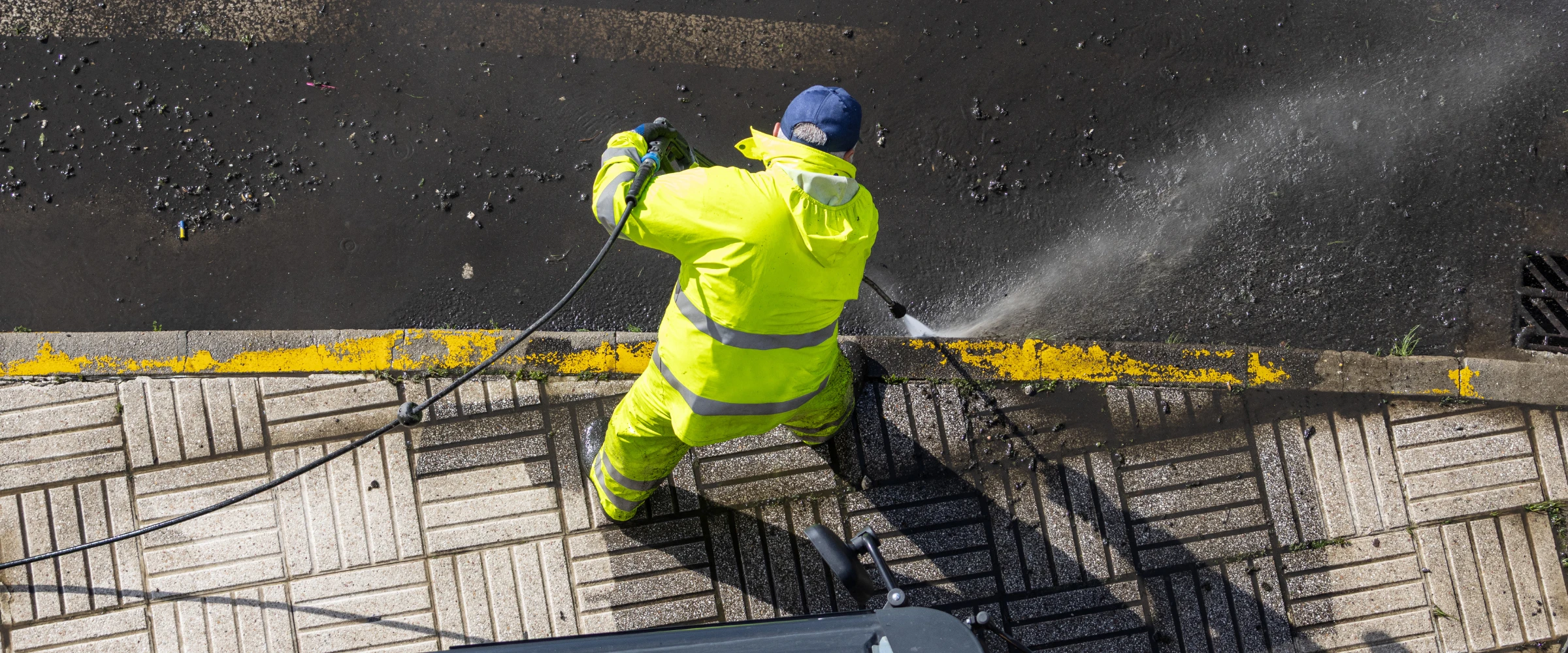
Desert dust is unavoidable, but letting it combine repeatedly with irrigation water, spills, and outdoor-living residue is not. Removing loose debris regularly, correcting irrigation overspray, addressing spills promptly, and paying attention to paver joints can make routine maintenance much easier.
When deeper buildup has taken over a patio, walkway, driveway, or other paved outdoor space, Bin Bandits can help assess the area and discuss the appropriate cleaning service. Call us at (480) 476-6216 or Contact Us to discuss paver cleaning for your Desert Mountain property.


